Notes on protecting small businesses in the Garment District
- Introduction
- Why is the Garment District at risk?
- What can the City do to help?
- Let’s keep the Garment District running
Table of Contents
In September, Small Business Majority and Made in NYC hosted a roundtable discussion with a dozen small business owners to introduce the Mamdani Administration Mom and Pop Czar, Delia Awusi, to the unique needs of Garment District businesses.
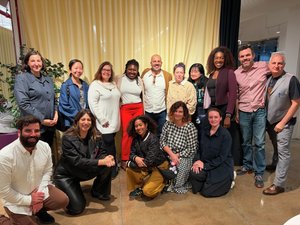
Takeaways from September’s roundtable discussion offer a helpful assessment of the current risks small businesses face in the Garment District, along with solutions for the City to consider based on the lived experience of owners and workers.
Introduction
When you visit the Garment District, you enter a neighborhood of purpose-built vertical factories that house more than 1,000 fashion-related businesses, all less than a square mile from Midtown. New York City’s fashion industry alone is worth $11 billion, but Garment District businesses don’t just serve the fashion industry: the $14.7 billion theater industry and the $81.6 billion entertainment industry rely on Garment District manufacturers.
The Garment District keeps these industries going through a fast-paced, centralized ecosystem of artisans and craftspeople. For example, a Broadway actor may be given just one hour to get fitted for a costume. Yet, in a short commute, they can visit the costume maker, who will take measurements and adjust. Soon after, the costume maker can simply go upstairs or down the block to quickly source gloves, fabric flowers or specialty embroidery. The centralization of these services is essential. By the time the curtain goes up on opening night, the exemplary work of the Garment District is on full display for the audience to enjoy.
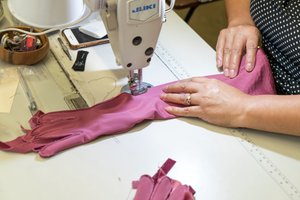
In the room at this roundtable were the last glovemaker and the last fabric flower producer in New York City, New York’s primary denim supplier, who uses machines that are no longer in production, and several business owners who have started their own nonprofits to give back to a community they are so passionate about. But these artisans who contribute so much to NYC’s vitality are at risk.
Why is the Garment District at risk?
Garment District makers are the thread that keeps New York City's multi-billion-dollar fashion and Broadway industries together. Yet the workers and the business owners who sustain this ecosystem are barely scraping by. Several roundtable participants said that their businesses were no longer about making a profit but rather about making ends meet.
Despite serving as the backbone fueling New York City’s fashion and Broadway economies, garment manufacturers are operating on extremely thin margins while facing rising costs and mounting pressures that threaten their ability to remain in the city.
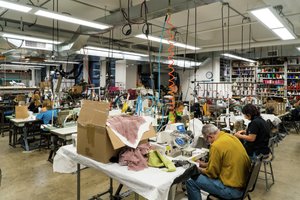
Like so many businesses across New York City, Garment District businesses are being squeezed by the affordability crisis, particularly rising commercial rent. Business owners are also facing shorter leases and greater uncertainty. Where businesses were once able to sign 10-year leases, some now struggle to get landlords to offer even two-year terms.
For businesses with heavy, specialized equipment, moving is not a realistic option. One embroiderer who has done work for pop stars and major fashion houses has moved six times in the last seven years. Other established business owners fear what will happen when their lease expires or when their landlord passes away and the building is sold. The cost of relocating equipment alone can be enough to force a business to close. One participant who was quoted $50,000 to move a single machine said:
“If I need to move, I'll have to close.”
Garment District businesses also face a significant power imbalance in negotiations with landlords, including rising rents and hidden fees. When Mom and Pop Czar Delia Awusi asked whether participants had hired a lawyer to help negotiate their leases, the entire room agreed that doing so could invite retaliation. Many also expressed that hiring attorneys for lease negotiations would be financially infeasible.
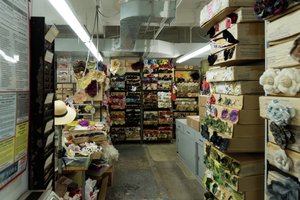
The Garment District’s value isn’t simply the space its businesses occupy—it's the ecosystem created by their proximity to one another. Most buildings across New York City are not designed for manufacturing. Many cannot accommodate heavy machinery, and those that can lack the Garment District’s unique combination of:
• Specialized manufacturers and artisans
• Nearby suppliers and vendors
• Access to specialized equipment
• Proximity to fashion, Broadway, and entertainment clients
• A dense network of businesses that can collaborate and fulfill orders quickly
For businesses with heavily specialized operations, relocating outside the District can mean losing the network that makes their work possible. Not to mention, there are few viable alternatives about where to do business. As one participant put it:
“There is nowhere else I can do what I do.”
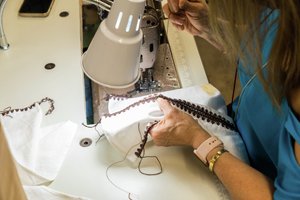
The Garment District is also facing a workforce crisis. Skilled workers are aging out, while the pathways that once brought new workers into these trades have diminished. Training new employees is expensive and time-consuming. One business owner estimated that training a new employee can cost $5,000 and can take up to two years.
Participants stressed that there is genuine interest in garment manufacturing and skilled trades, particularly among young workers, but the pathways into these careers are poorly defined. As unionbased training pipelines diminished, so did many of the established routes for learning these specialized trades and entering the industry.
Without a new generation of skilled workers, the specialized knowledge and craftsmanship that make the Garment District unique could become increasingly difficult to sustain.
What can the City do to help?
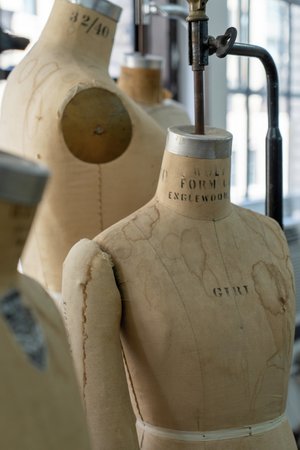
Garment District business owners came to the table with practical solutions to help keep this corridor alive. Their recommendations focus on creating greater stability for businesses, preserving affordable manufacturing space, making existing public resources more transparent, and rebuilding the workforce pipeline.
Help makers own their spaces: The City should create financing pathways that help manufacturers purchase commercial spaces, including low- or zero-interest loans, down-payment assistance, and other incentives that make ownership attainable for small manufacturers. Ownership would allow businesses to build equity rather than absorbing rising rents and provide the long-term stability to keep these specialized manufacturing jobs in NYC.
Strengthen commercial lease protections: The City should protect small makers from rising rents and insecure leases by stabilizing commercial rent prices, incentivize landlords to offer longer lease terms, and create stronger tenant protections against sudden rent increases, hidden fees and landlord retaliation. For businesses operating on thin margins and with expensive, specialized equipment, a stable lease can mean the difference between staying in business and closing.
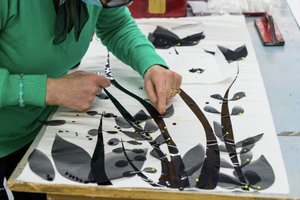
Increase transparency and maker input: The City should require the Garment District Alliance (GDA) to publicly disclose how it spends the District's $25 million fund, which businesses in the District pay into. Makers should also have a meaningful voice in how remaining funds are used, particularly when those investments could directly support the businesses, workers and infrastructure that make the Garment District’s ecosystem possible.
Support new models of stable and affordable production space: The City should support The ReThread Project's bid to acquire a 300,000–500,000 square-foot building that could provide long-term leases for the businesses and programs the Garment District needs to thrive. The proposed space would provide stable, affordable locations for:
• Designers and costume shops
• Pattern makers and embroiderers
• Digital printers and fabric stores
• Training and apprenticeship programs
• New York Fashion Week events• A garment manufacturing museum
A shared, mission-driven space could help preserve the specialized businesses that are increasingly difficult to accommodate elsewhere in New York City.
Invest in the next generation of garment workers: Garment manufacturing offers accessible, skilled career pathways for New Yorkers, including immigrants, BIPOC communities, and people without advanced degrees who have too often been left out of other parts of the economy. Factories and costume shops offer wages exceeding retail and hospitality, and with strategic City investment and infrastructure, garment manufacturers would be better positioned to offer stable, high-quality jobs with competitive wages, health insurance and other benefits.
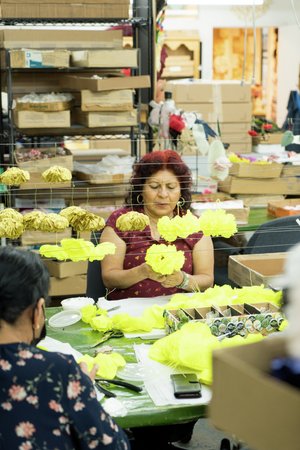
At the same time, the skilled workforce that sustains the Garment District is aging, and too few clear pathways exist for a new generation to enter these trades. The City should work with public high schools, CUNY, trade and vocational programs, workforce development organizations and garment businesses to introduce young New Yorkers to careers in garment manufacturing and connect interested students with apprenticeships, training, and employment opportunities. These pathways are especially important for young people who do not want to pursue a traditional four-year college degree or take on the significant cost associated with one.
Let’s keep the Garment District running
Taken together, these recommendations share a common goal: Make it possible for the businesses that have built the Garment District to remain there. By supporting ownership, strengthening lease protections, increasing transparency, preserving affordable space, and rebuilding pathways into skilled trades, the City can help ensure that this specialized ecosystem continues to serve New York's fashion, Broadway and entertainment industries for generations to come. Small Business Majority and Made in NYC would welcome the chance to continue this conversation and to work with the Office of the Deputy Mayor for Economic Justice to put these solutions into action.